Language Acquisition: Gestures (2015 – present)
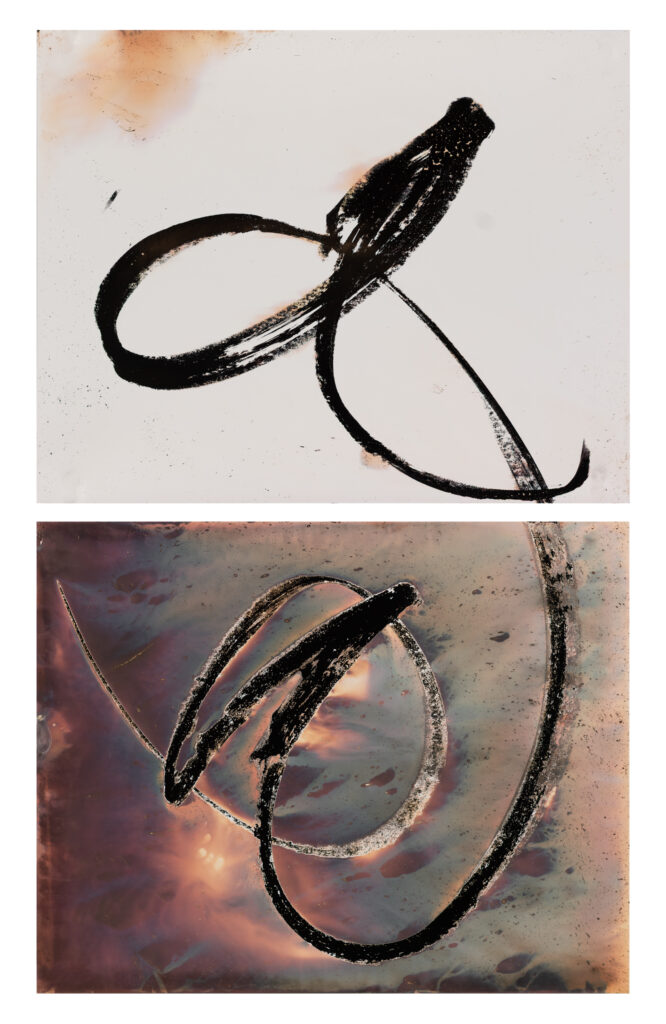
“Contiguous Diiptych #7″; Silver gelatin photographic chemigrams; 16.5″ x 10”; 2026
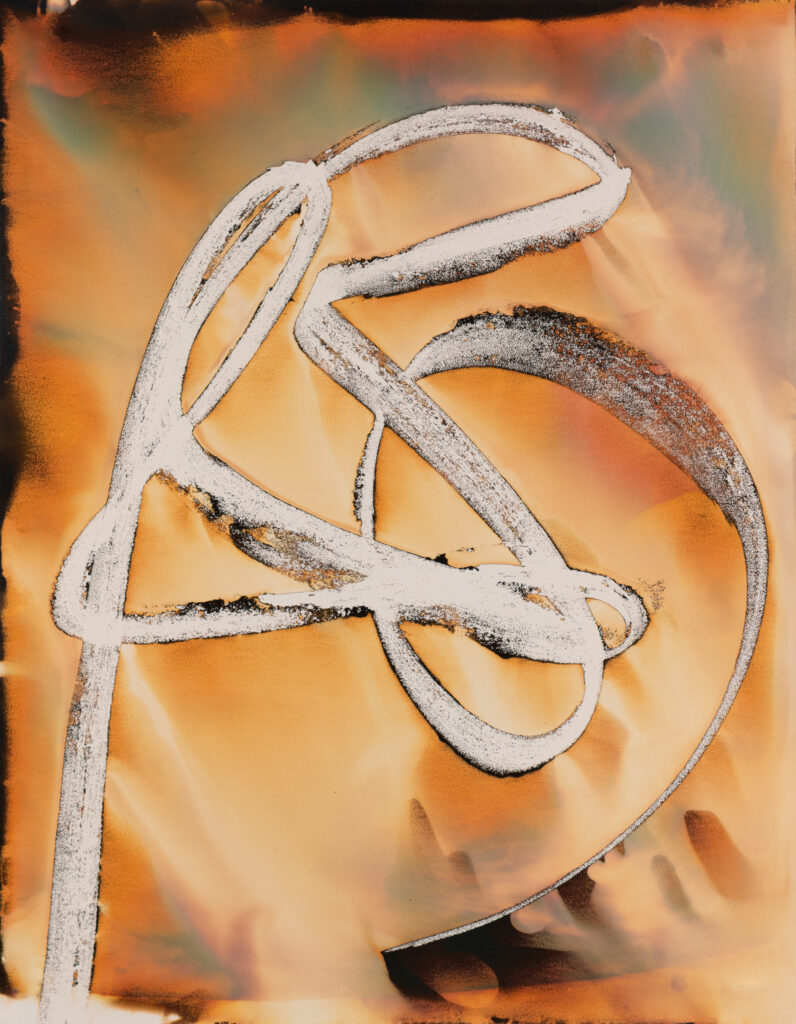
“Gesture #29″; Silver gelatin photographic chemigram; 14″ x 11”; 2026
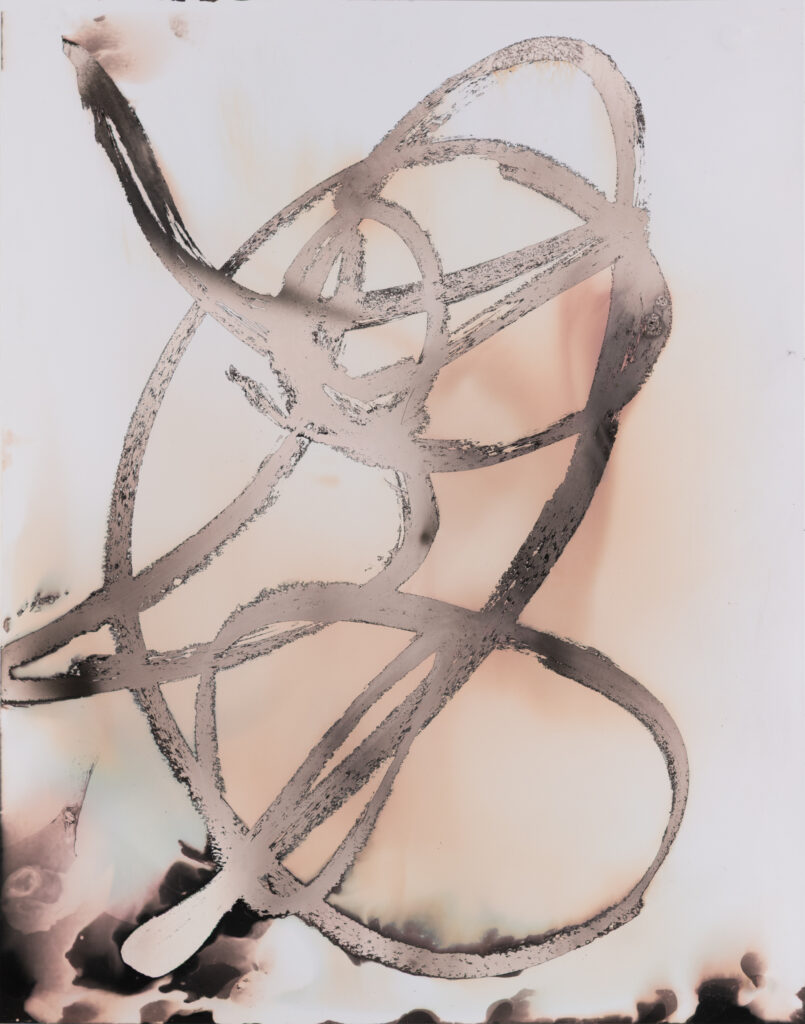
“Gesture #28″; Silver gelatin photographic chemigram; 14″ x 11”; 2026
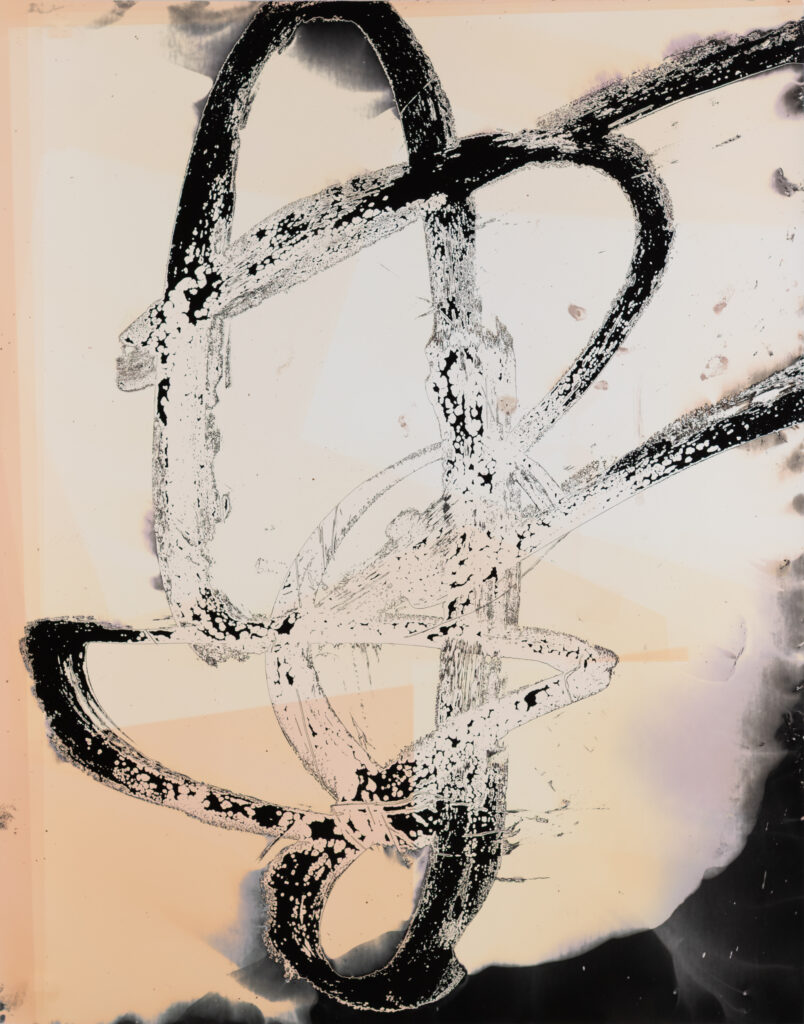
“Gesture #27″; Silver gelatin photographic chemigram; 14″ x 11”; 2026
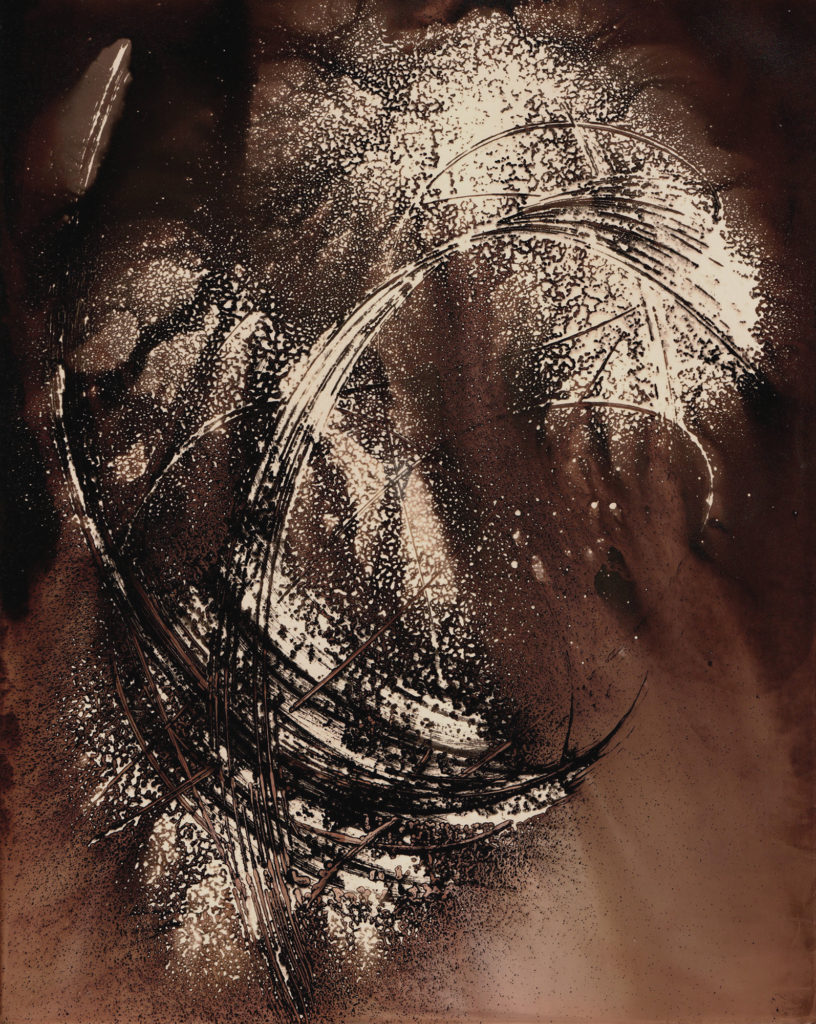
“Gesture #26″; Silver gelatin photographic chemigram; 10″ x 8”; 2023
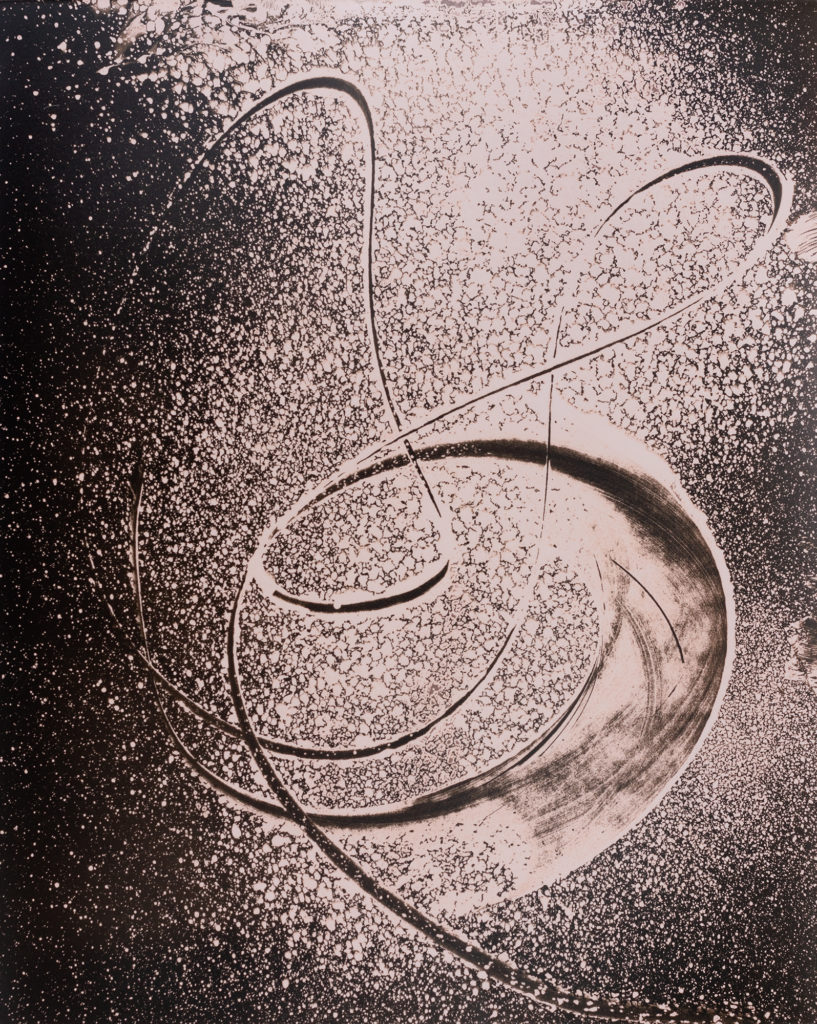
“Gesture #25″; Silver gelatin photographic chemigram; 10″ x 8”; 2021
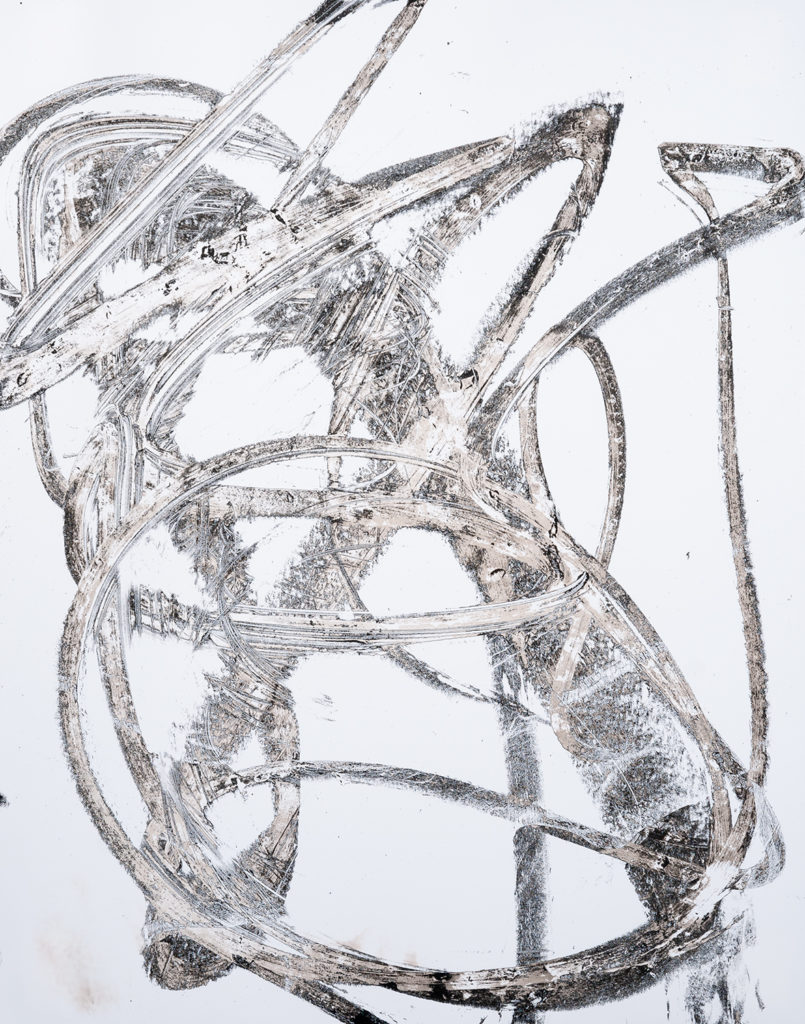
“Gesture #24″; Silver gelatin photographic chemigram; 14″ x 11”; 2019
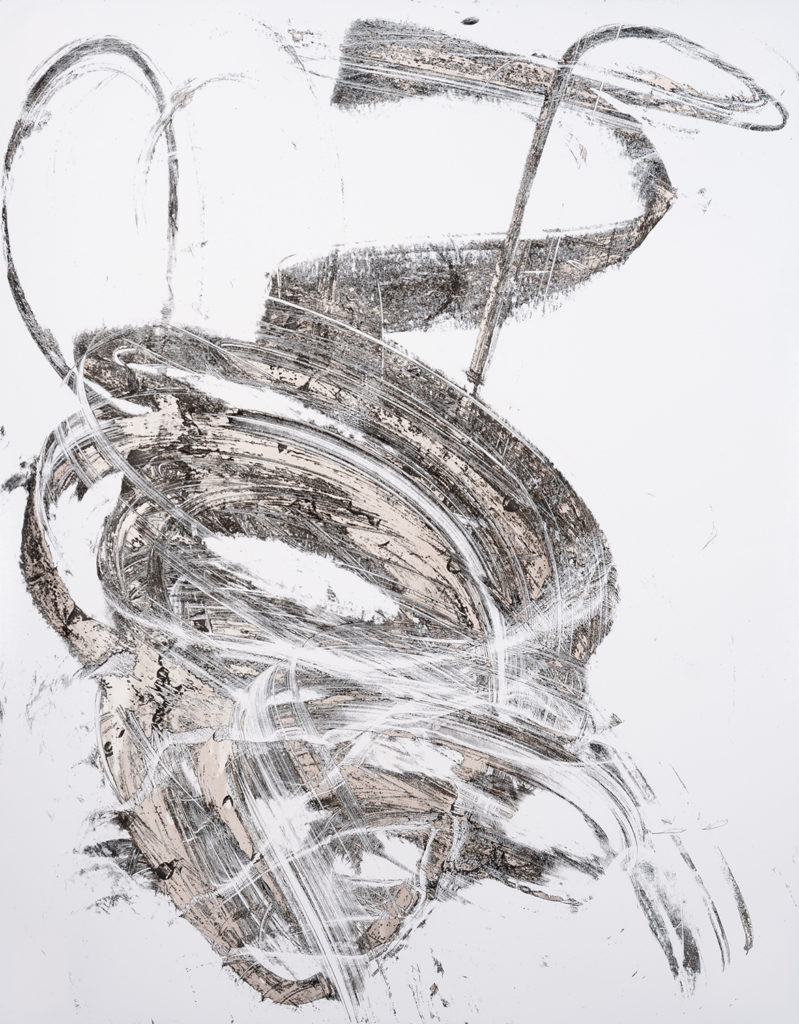
“Gesture #22″; Silver gelatin photographic chemigram; 14″ x 11”; 2019
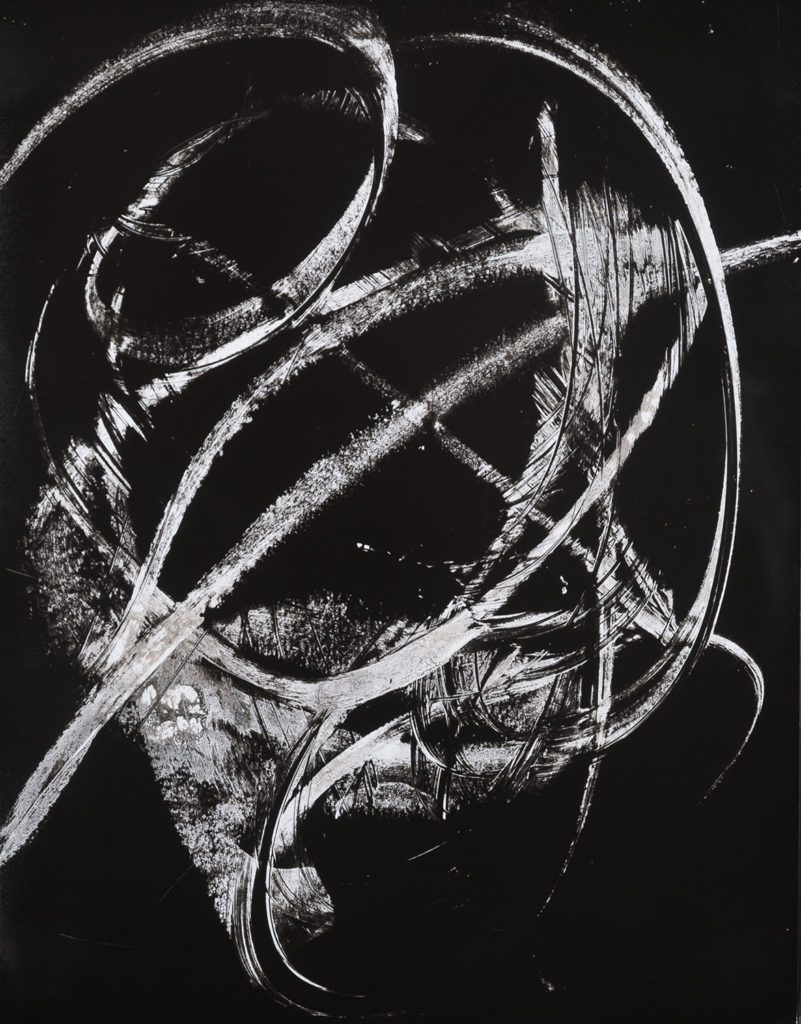
“Gesture #21″; Silver gelatin photographic chemigram; 14″ x 11”; 2019

“Gesture #20″; Silver gelatin photographic chemigram; 14″ x 11”; 2019
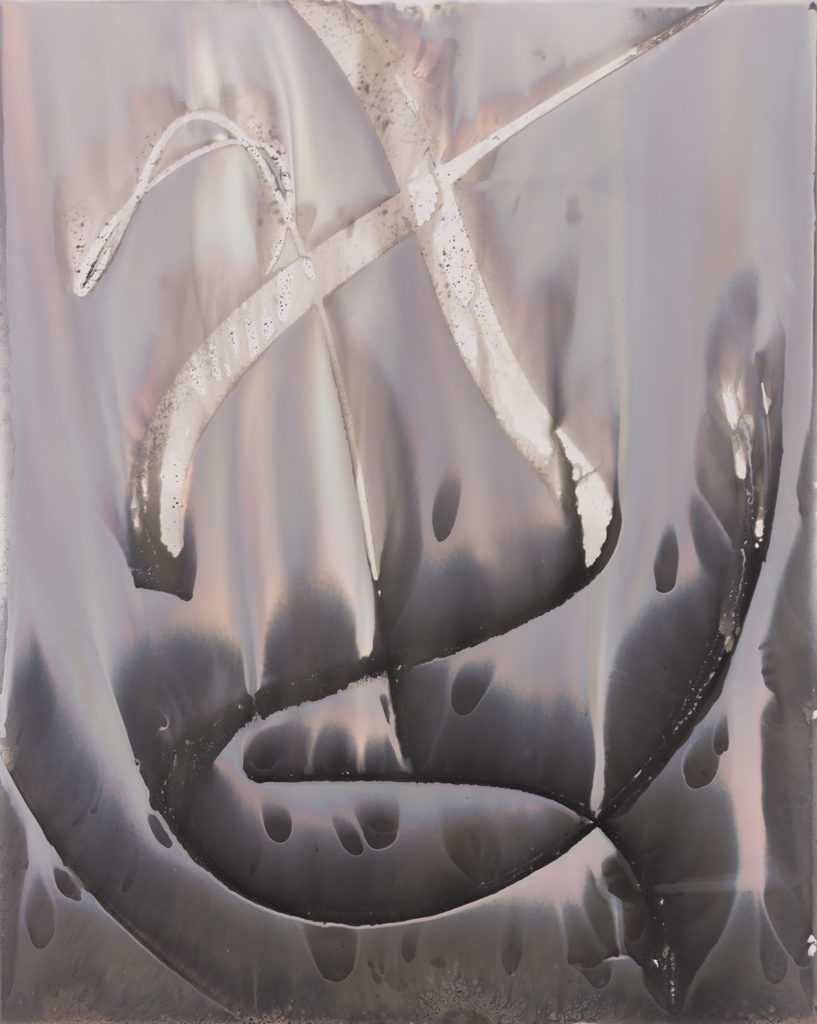
“Point / Counterpoint II”; Silver gelatin photographic chemigram; 20″ x 16″; 2018
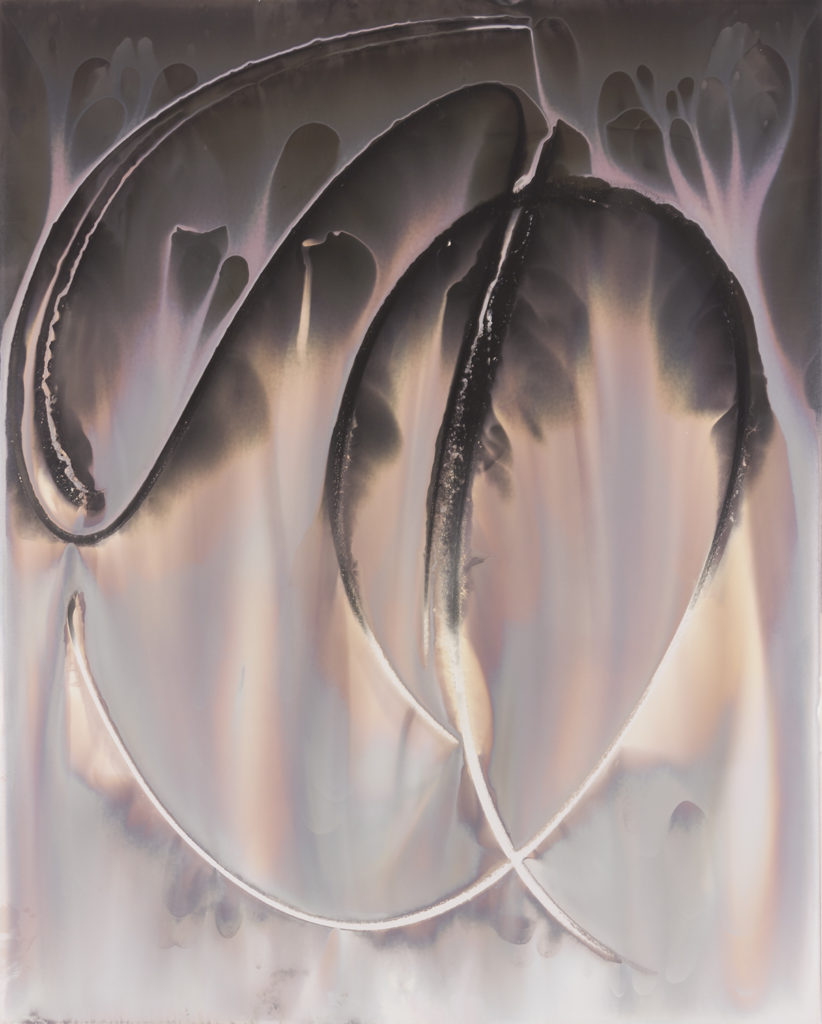
“Point / Counterpoint I”; Silver gelatin photographic chemigram; 20″ x 16″; 2018
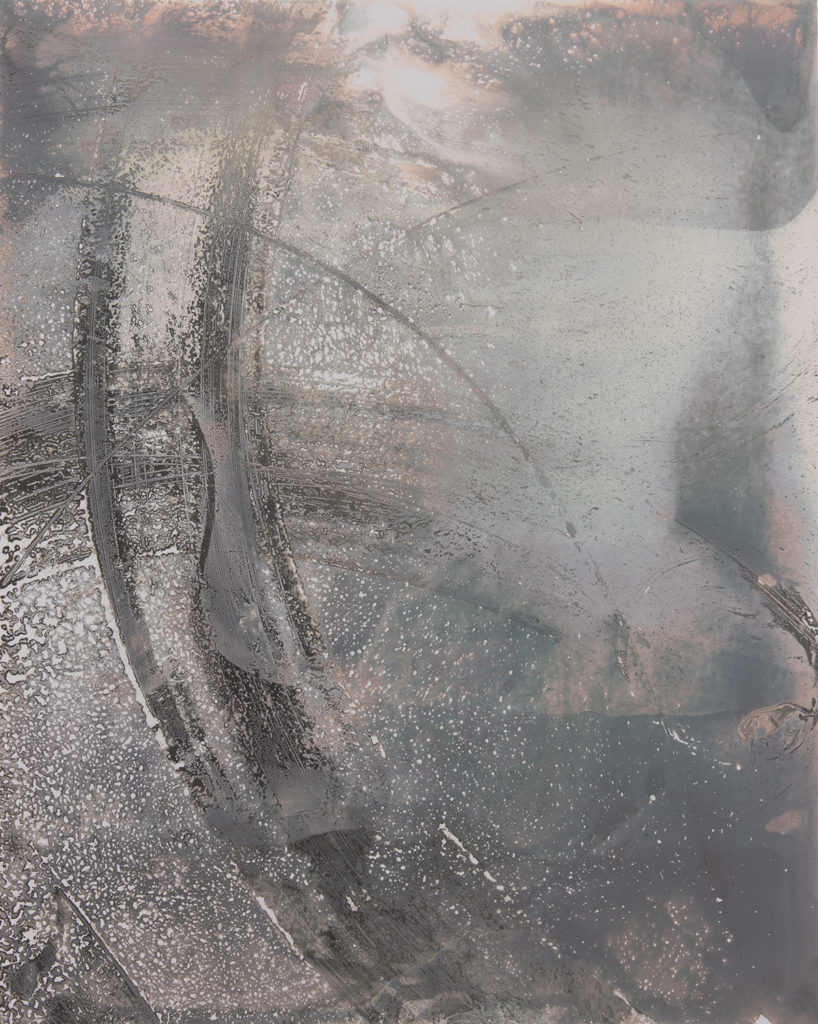
“Gesture 19″; Silver gelatin photographic chemigram; 10″ x 8”; 2018
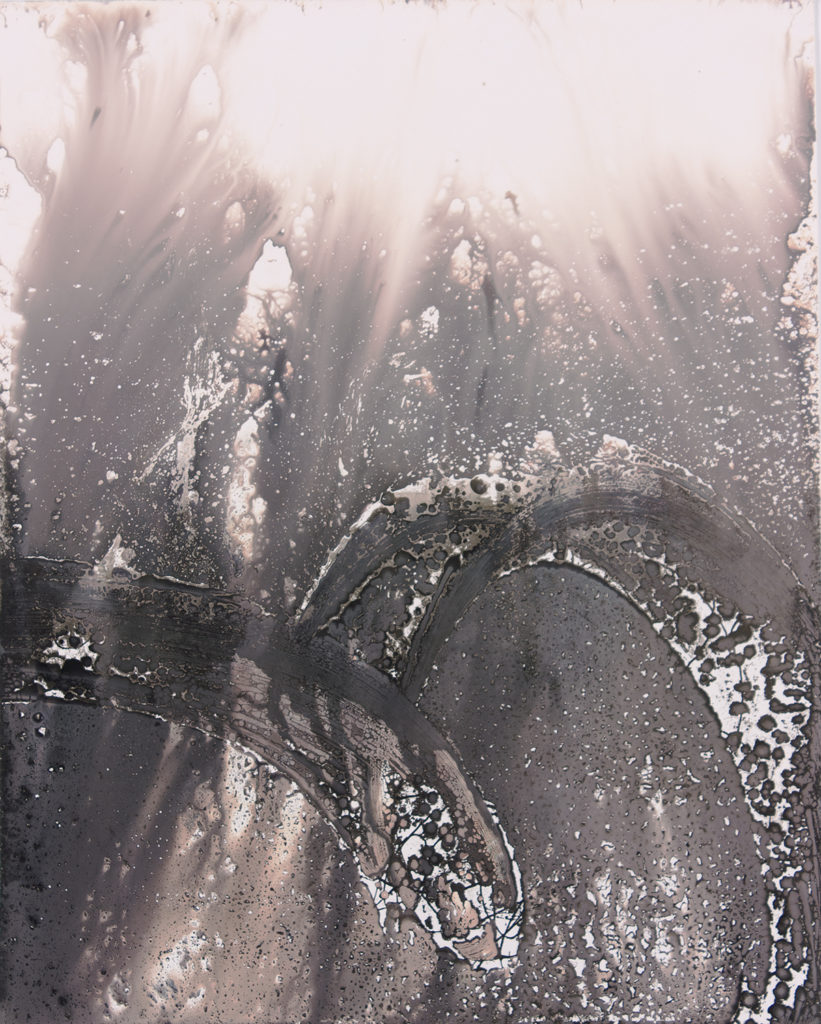
“Gesture 18″; Silver gelatin photographic chemigram; 10″ x 8”; 2018
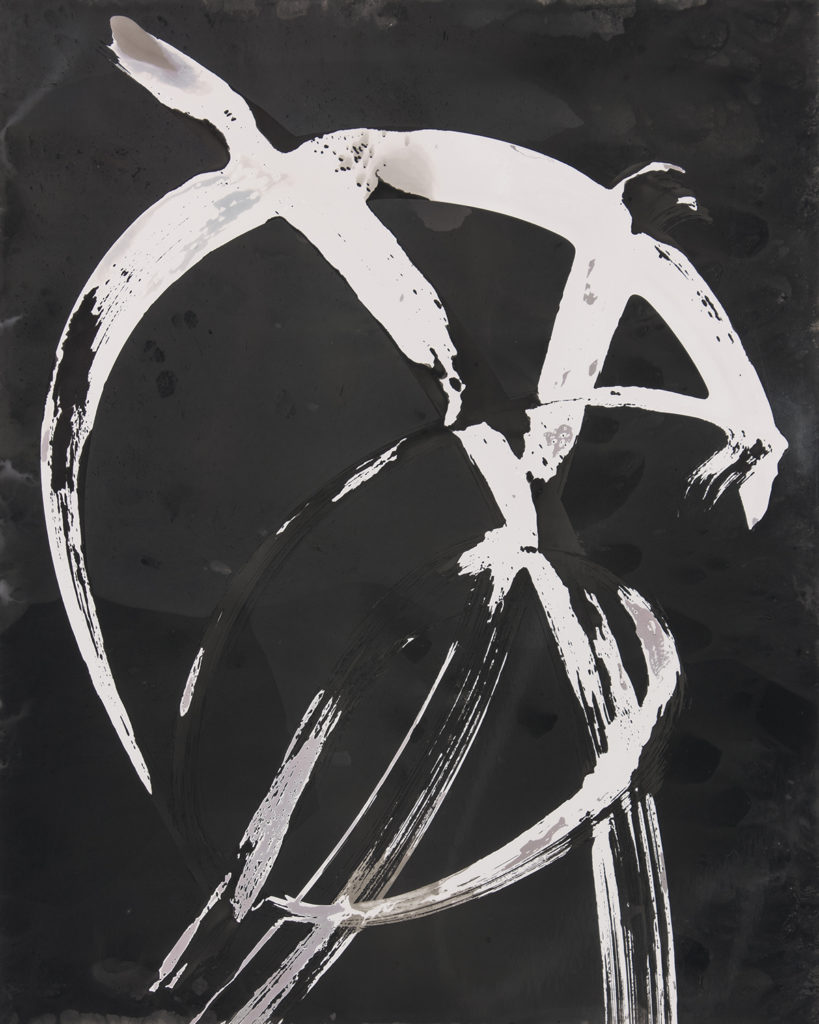
“Gesture 17″; Silver gelatin photographic chemigram; 10″ x 8”; 2017

“Gesture 15″; Silver gelatin photographic chemigram; 10″ x 8”; 2017
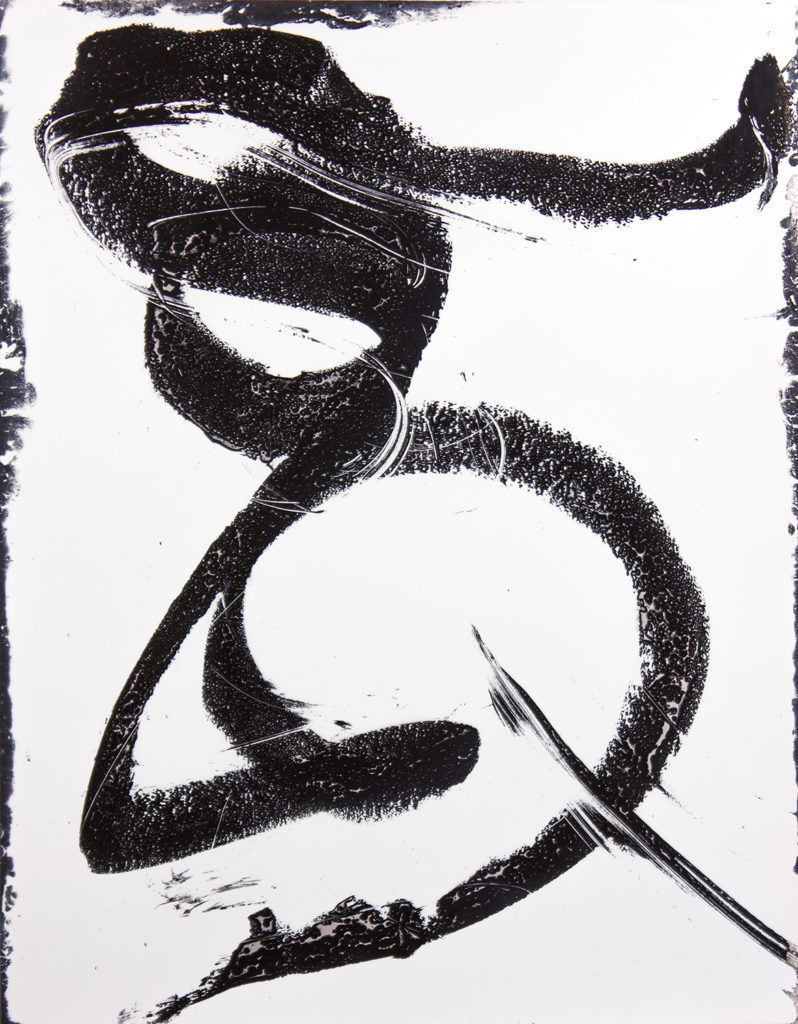
“Gesture 14″; Silver gelatin photographic chemigram; 14″ x 11”; 2016
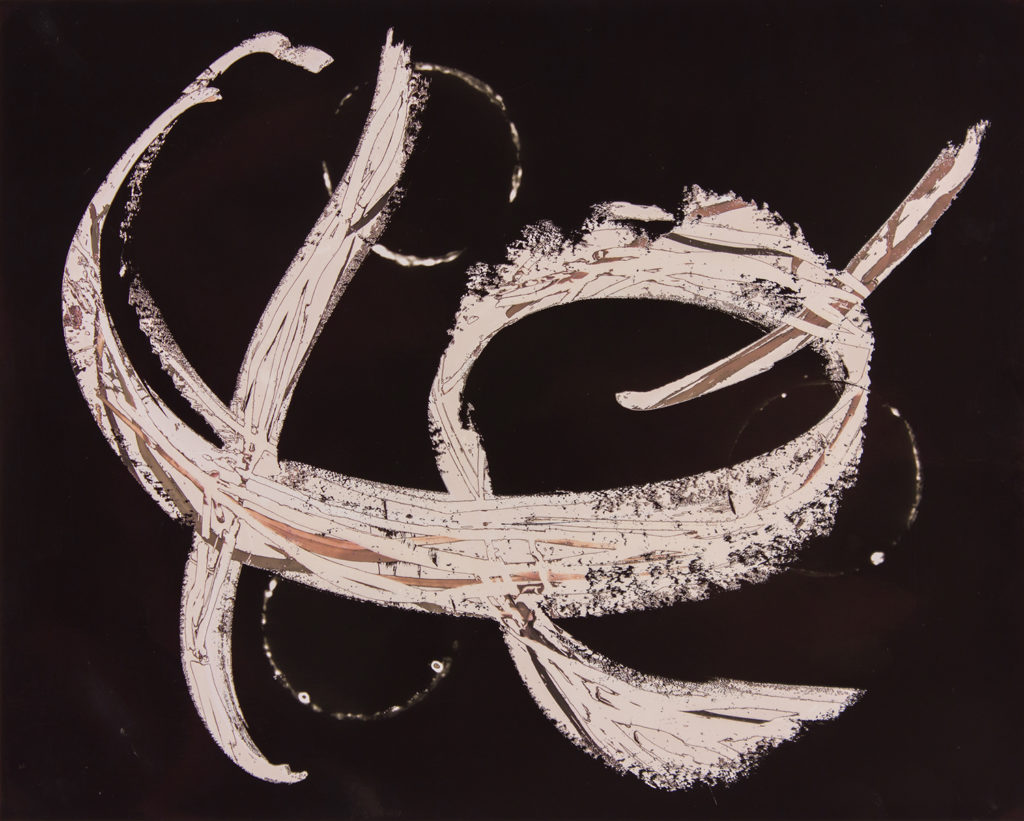
“Gesture 10″; Silver gelatin photographic chemigram; 8″ x 10”; 2016
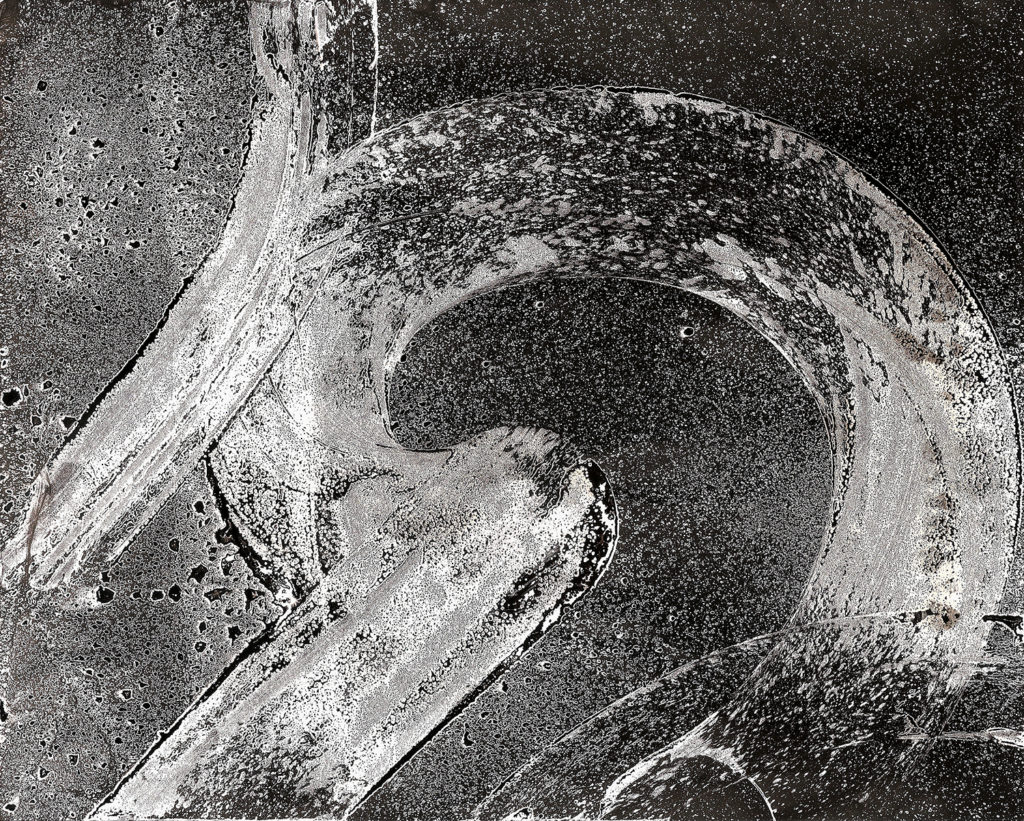
“Gesture 9″; Silver gelatin photographic chemigram; 8″ x 10”; 2015
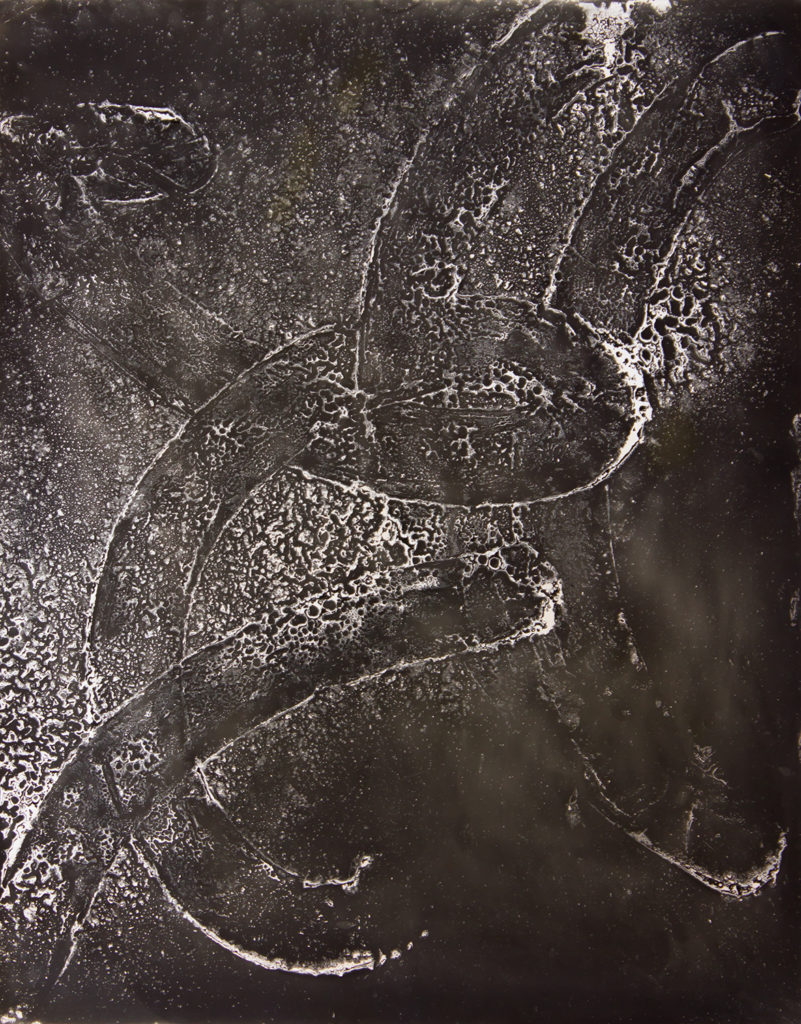
“Gesture 8″; Silver gelatin photographic chemigram; 14″ x 11”; 2015

“Gesture #7″; Silver gelatin photographic chemigram; 11″ x 7”; 2015

“Gesture #6″; Silver gelatin photographic chemigram; 10″ x 8”; 2015 (sold)
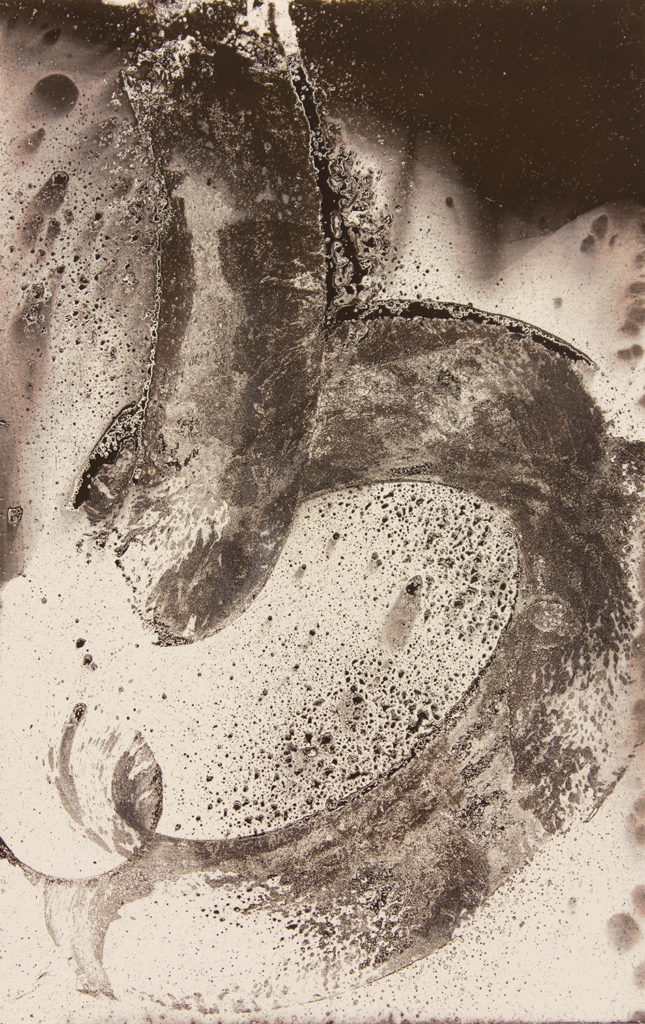
“Gesture #5″; Silver gelatin photographic chemigram; 11″ x 7”; 2015
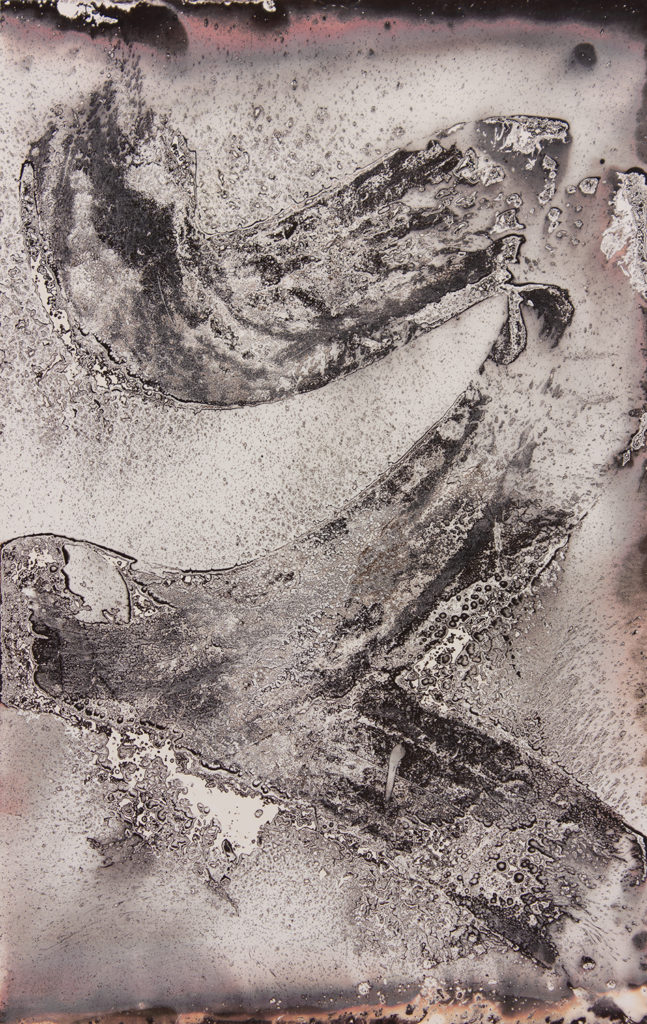
“Gesture #4″; Silver gelatin photographic chemigram; 11″ x 7”; 2015
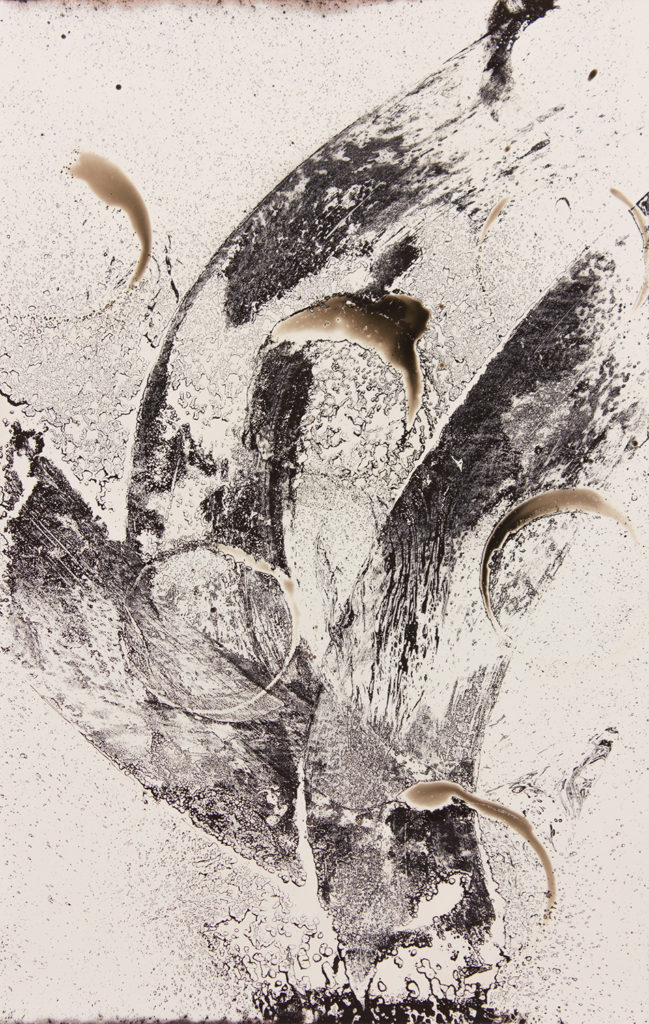
“Gesture #3″; Silver gelatin photographic chemigram; 11″ x 7”; 2015
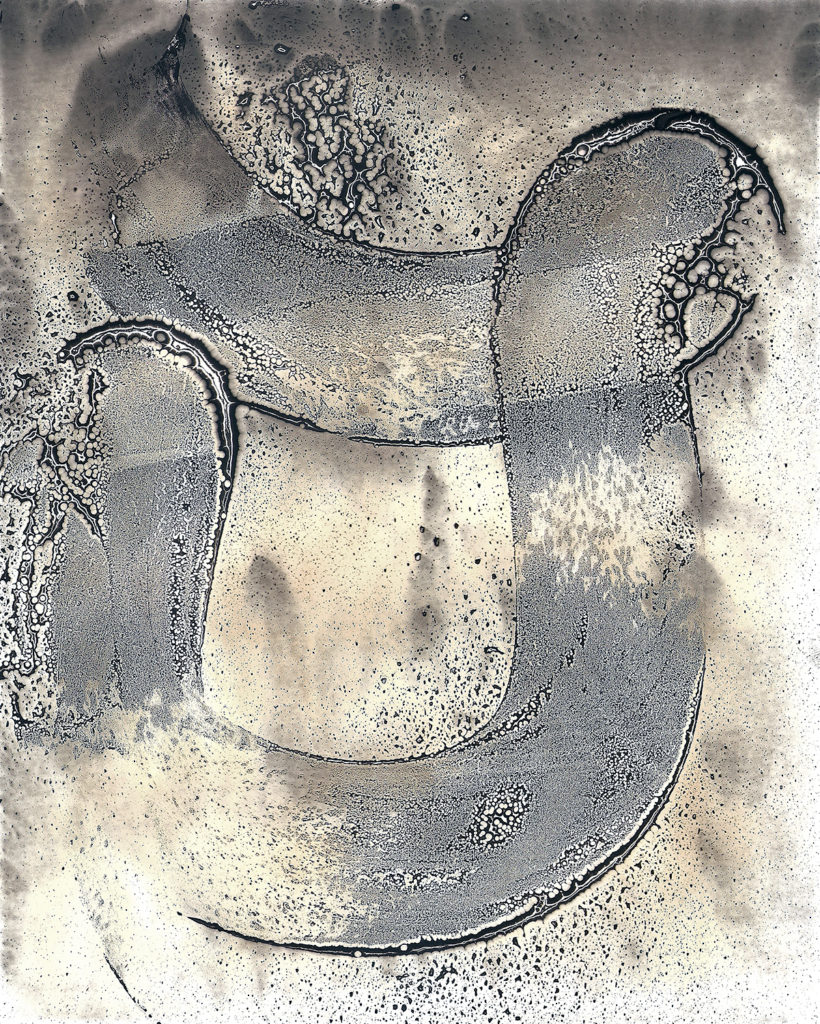
“Gesture #2″; Silver gelatin photographic chemigram; 10″ x 8”; 2015

“Gesture #1″; Silver gelatin photographic chemigram; 11″ x 7”; 2015
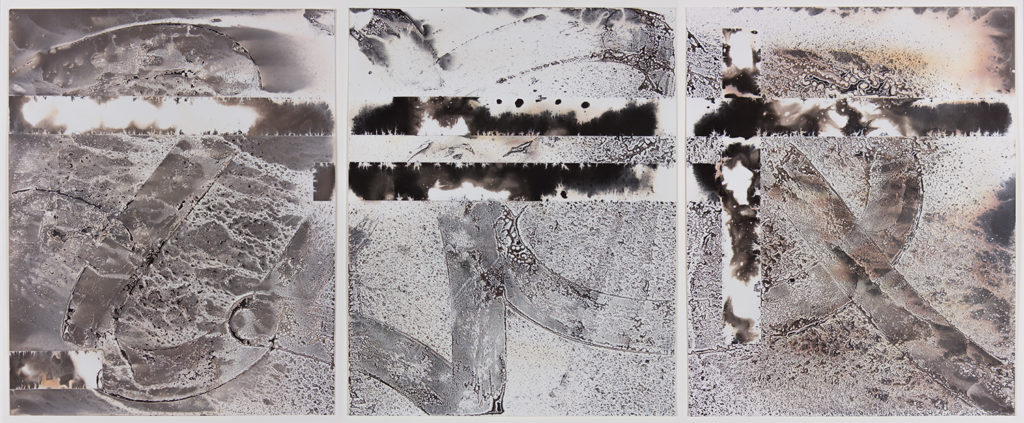
“Free Thought”; Silver gelatin photographic chemigrams; 10″ x 25″; 2015
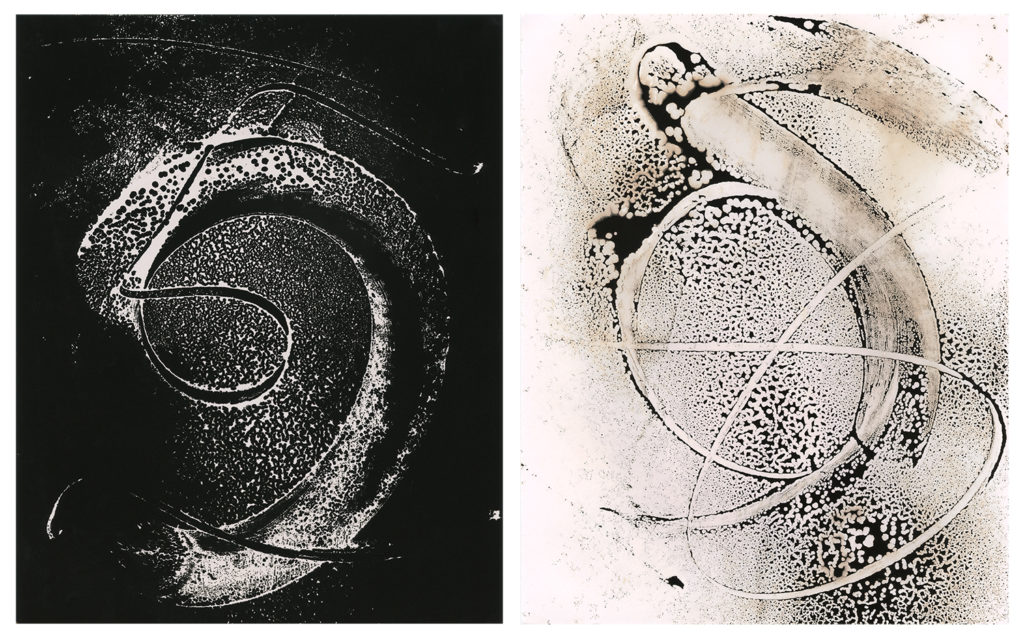
“Disjointed Diptych #1″; Silver gelatin photographic chemigrams; 10″ x 16.5”; 2019 (sold)

“Contiguous Diptych #5″; Silver gelatin photographic chemigrams; 10″ x 16.5”; 2015

“Contiguous Diptych #3″; Silver gelatin photographic chemigrams; 10″ x 16.5”; 2015
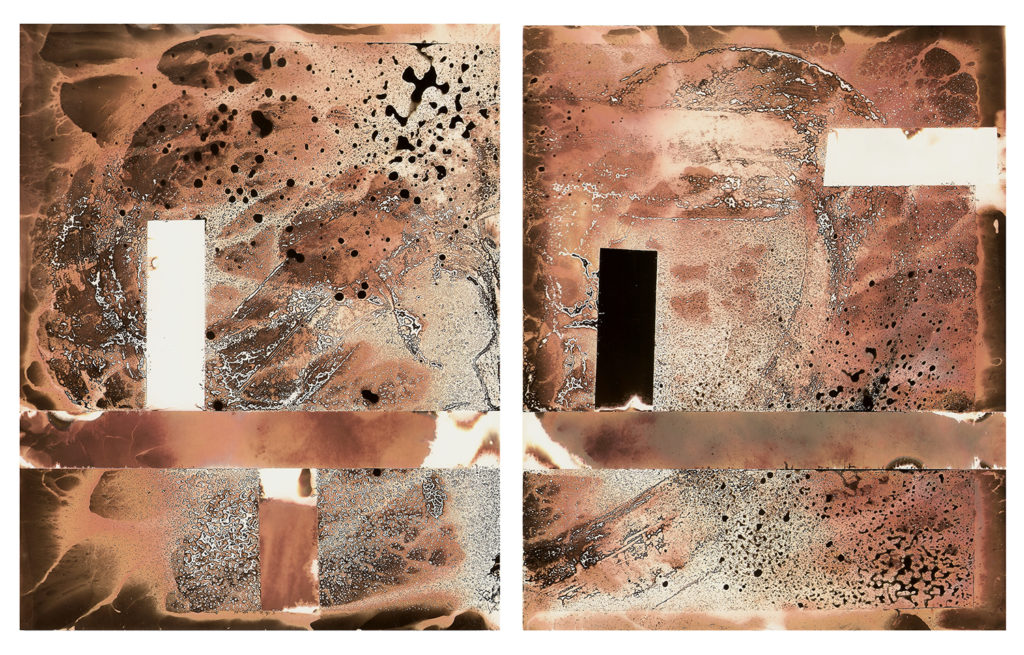
“Contiguous Diptych #1″; Silver gelatin photographic chemigrams; 10″ x 16.5”; 2015
After my first few years of studying photography in the late 1990’s, I began to shy away from the darkroom. Silver gelatin prints were the standard in the photographic world, and quickly becoming unsatisfying to me. I wished to see the physical mark in my work, and to create objects. Photography as I knew it felt mass-produced and devoid of this materiality.
Once digital photography became the standard, the darkroom lured me back, as the tables had turned and a silver gelatin print presented itself to me as an object. Chemigrams became a natural progression for me to explore photographic paper as a physical medium unto itself, rather than simply the substrate upon which an image taken from the outside world rests. The application of a resist on silver gelatin paper, and my instinctual and immediate drawing gestures I create on the paper, satisfies the missing mark of the artist that I had found to be lacking in photography.
As I continue to create Gestures over the last 10+ years, they have evolved as my way to address unease with the negative effects of American society’s increasingly digitized existence. I witness younger generations who have challenges with mechanical tasks that I take for granted. Doomscrolling and dopamine rewards are pervasive. Even as education adapts to online offerings and offers positive outcomes, I grow apprehensive as many artmaking mediums are frequently tied to equipment and facilities that are being eliminated.
By making direct marks on light-sensitive photographic materials, I call for a reconnection to materiality and in-person interaction. My gestures reflect various mental states as I contemplate these issues, from quiet and content to frustrated and loud. Their ambiguous resemblance to letterforms references my difficulty in communicating such a widespread societal matter. The chemigram process itself, with its endless variables and lack of fully- controlled outcomes, celebrates the rare sense of mystery and awe that our constantly digitally-connected world robs from us, fueling an epidemic of anxiety.